

What is Solar Charge Controller
A solar charge controller is an electronic device that manages the power and voltage coming from solar panels to the battery bank. The controller ensures that the battery bank receives the right amount of charge from the solar panels, preventing overcharging (which can damage the battery) and undercharging (which can reduce the battery life and capacity). A solar charge controller typically includes features such as battery temperature compensation, battery status monitoring, and low-voltage disconnect protection, among others.
-
![40A 24V MPPT Solar Controller Bluetooth APP]() 40A 24V MPPT Solar Controller Bluetooth APP12/24V 40A Win40100-K. MPPT solar charge controller, 40A max charging current, 12V/24V auto recognition, 520/1040W max PV input power, 100V max PV input voltage. Without LCD and buttons, commonread more
40A 24V MPPT Solar Controller Bluetooth APP12/24V 40A Win40100-K. MPPT solar charge controller, 40A max charging current, 12V/24V auto recognition, 520/1040W max PV input power, 100V max PV input voltage. Without LCD and buttons, commonread more -
![15A 12V 24V MPPT Solar Charge Controller]() 15A 12V 24V MPPT Solar Charge Controller12/24V 15A Win1575-K. MPPT solar charge controller, 15A max charging current, 12V/24V auto recognition, 200/400W max PV input power, 75V max PV input voltage. LCD, common negative, Bluetoothread more
15A 12V 24V MPPT Solar Charge Controller12/24V 15A Win1575-K. MPPT solar charge controller, 15A max charging current, 12V/24V auto recognition, 200/400W max PV input power, 75V max PV input voltage. LCD, common negative, Bluetoothread more -
![4G IOT 10A 12V MPPT Solar Regulator]() 4G IOT 10A 12V MPPT Solar Regulator12V 10A SMR-MPPT1050. MPPT solar charge controller, 10A max charging current, 12V battery system voltage, 130W max PV input power, 45V max PV input voltage. LED display, infrared, Bluetooth function,read more
4G IOT 10A 12V MPPT Solar Regulator12V 10A SMR-MPPT1050. MPPT solar charge controller, 10A max charging current, 12V battery system voltage, 130W max PV input power, 45V max PV input voltage. LED display, infrared, Bluetooth function,read more -
![20 Amp MPPT Charge Controller]() 20 Amp MPPT Charge Controller12/24V 20A Win-K series MPPT-Win2075-K. MPPT solar charge controller, 20A max charging current, 12V/24V auto recognition, 260/520W max PV input power, 75V max PV input voltage. LCD, common negative,read more
20 Amp MPPT Charge Controller12/24V 20A Win-K series MPPT-Win2075-K. MPPT solar charge controller, 20A max charging current, 12V/24V auto recognition, 260/520W max PV input power, 75V max PV input voltage. LCD, common negative,read more -
![15A 12V 24V RV MPPT Solar Charge Controller]() 15A 12V 24V RV MPPT Solar Charge Controller12/24V 15A Win1575-K. MPPT solar charge controller, 15A max charging current, 12V/24V auto recognition, 200/400W max PV input power, 75V max PV input voltage. No LCD, common negative, Bluetoothread more
15A 12V 24V RV MPPT Solar Charge Controller12/24V 15A Win1575-K. MPPT solar charge controller, 15A max charging current, 12V/24V auto recognition, 200/400W max PV input power, 75V max PV input voltage. No LCD, common negative, Bluetoothread more -
![40A 12V 24V MPPT Solar Charge Controller IP54]() 40A 12V 24V MPPT Solar Charge Controller IP5412/24V 40A MPPT Win40100-K. MPPT solar charge controller, 40A max charging current, 12V/24V auto recognition, 520/1040W max PV input power, 100V max PV input voltage. No LCD and buttons, commonread more
40A 12V 24V MPPT Solar Charge Controller IP5412/24V 40A MPPT Win40100-K. MPPT solar charge controller, 40A max charging current, 12V/24V auto recognition, 520/1040W max PV input power, 100V max PV input voltage. No LCD and buttons, commonread more -
![10A 20A Solar System PWM Solar Charge Controller]() 10A 20A Solar System PWM Solar Charge ControllerFor solar system PWM charge controllers, we major have two series products: Shine series and Max series. Now we major introduce our Max series PWM controllers.Max-E series PWM includes 10A 20A.read more
10A 20A Solar System PWM Solar Charge ControllerFor solar system PWM charge controllers, we major have two series products: Shine series and Max series. Now we major introduce our Max series PWM controllers.Max-E series PWM includes 10A 20A.read more -
![20A 12V Mppt Solar Controller]() 20A 12V Mppt Solar ControllerThe system voltage of MC2010 is 12V/24V automatic recognition,charging current is 20A,discharging current is 20A,with max 100V input.One RS485 port for communication.Also can add Bluetoothread more
20A 12V Mppt Solar ControllerThe system voltage of MC2010 is 12V/24V automatic recognition,charging current is 20A,discharging current is 20A,with max 100V input.One RS485 port for communication.Also can add Bluetoothread more -
![20Amp Solar Charge Controller Mppt]() 20Amp Solar Charge Controller MpptMC2010, system voltage is 12V/24V automatic identification, charging current 20A, discharge current 20A, maximum 100V input. 1 RS485 communication port, can also add Bluetooth function.It weighsread more
20Amp Solar Charge Controller MpptMC2010, system voltage is 12V/24V automatic identification, charging current 20A, discharge current 20A, maximum 100V input. 1 RS485 communication port, can also add Bluetooth function.It weighsread more -
![40amp Solar Regulator Mppt]() 40amp Solar Regulator MpptMC4010,its system voltage is 12/24V,charging current is 40A,discharging current is 30A,with max 100V input,and can connect 520/1040W solar panels.This product has RS485 interface and Bluetoothread more
40amp Solar Regulator MpptMC4010,its system voltage is 12/24V,charging current is 40A,discharging current is 30A,with max 100V input,and can connect 520/1040W solar panels.This product has RS485 interface and Bluetoothread more -
![Regulator Mppt 60a]() Regulator Mppt 60aLet me introduce MC6015.The system voltage of MC6015 is 12V/24/36/48V automatic recognition,charging current is 60A ,and can connect to 750/1500/2250/3000W solar panels,also has RS485read more
Regulator Mppt 60aLet me introduce MC6015.The system voltage of MC6015 is 12V/24/36/48V automatic recognition,charging current is 60A ,and can connect to 750/1500/2250/3000W solar panels,also has RS485read more -
![20A 12V 24V MPPT Solar Charge Controller With Bluetooth]() 20A 12V 24V MPPT Solar Charge Controller With Bluetooth12/24V 20A Win2075-K. MPPT solar charge controller, 20A max charging current, 12V/24V auto recognition, 260/520W max PV input power, 75V max PV input voltage. No LCD, common negative, Bluetoothread more
20A 12V 24V MPPT Solar Charge Controller With Bluetooth12/24V 20A Win2075-K. MPPT solar charge controller, 20A max charging current, 12V/24V auto recognition, 260/520W max PV input power, 75V max PV input voltage. No LCD, common negative, Bluetoothread more


The solar charge controller is called the solar charge and discharge controller. It is used in the solar power system to control the multi-channel solar cell array to charge the battery and the battery to supply power to the solar inverter load. It regulates the charging and discharging conditions of the battery, and controls the power output of the solar cell module and the battery to the load according to the power demand of the load, which is the core control part of the entire photovoltaic power supply system.
Through the LCD display, you can easily see the battery status, PV voltage, current and ampere hours, as well as the load voltage, current and ampere hours.
We purchase the electronic components from world famous brands, all the raw materials are qualified, not like other cheaper PWM products. If you choose our PWM controllers you may enjoy the long using life and excellent using experience.
Overcharge protection: When the charging voltage is higher than the protection voltage, the battery is automatically turned off to charge. After the voltage drops to the maintenance voltage, the battery enters the floating state. When the voltage is lower than the recovery voltage, the floating charge is turned off and enters the equalization state.
SKYWISE is one of professional solar charge controller manufacturers in China with many year's experience. We provide the best wholesale service for various solar charge controller with cheap price. Welcome to contact us.
Benefits of Solar Charge Controller
Extended battery life
Solar charge controller prevents overcharging, which is detrimental to battery health and lifespan. Overcharging can lead to battery damage, reduced capacity, and a shorter lifespan. The controller ensures that the battery is not overcharged and keeps it at an optimal charge level.
Maintain optimum charging
A solar charge controller can also help to maintain optimum charging levels for the battery, ensuring maximum efficiency and performance. The controller regulates the charging current and voltage according to battery requirements.
Improved efficiency
A charge controller can improve the overall efficiency of the solar power system by reducing unnecessary power loss. It ensures that solar panels are operating at maximum efficiency and delivering the optimal power output.
Protection against over discharging
Over discharging is another common battery issue that can significantly reduce battery lifespan. The charge controller helps to prevent over-discharging by protecting the battery and disconnecting the load when the battery voltage drops below a certain level.
Easy monitoring and maintenance
Modern solar charge controllers usually come with monitoring and maintenance features, making it easier to track battery performance and troubleshoot issues. You can detect any battery problems early and resolve them before they become severe.
Cost-effective
Using a solar charge controller can prevent battery damage and extend the lifespan of the battery. It means that battery replacement costs are reduced, providing greater cost-effectiveness in the long run.
Why Choose Us
Rich experience
Dedicated to strict quality control and attentive customer service, our experienced staff is always available to discuss your requirements and ensure complete customer satisfaction.
High quality
Our products are manufactured or executed to very high standards, using the finest materials and manufacturing processes.
Global shipping
Our products support global shipping and the logistics system is complete, so our customers are all over the world.
After-sale service
Professional and thoughtful after -sales team, let you worry about us after -sales Intimate service, strong after -sales team support.
Why is a Solar Charge Controller Necessary For a Solar Panel System?
A solar charge controller is an essential component of a solar panel system because it helps to regulate the flow of energy between the solar panels and the battery. Without a controller, the battery could be overcharged or discharged too quickly, which can reduce the lifespan of the battery and potentially cause damage to the system. The controller also ensures that the battery is charged efficiently and prevents overheating, which can damage the battery or the controller itself. A solar charge controller can monitor the system's performance and provide important information on the energy production and usage. A solar charge controller is necessary to ensure the safe, efficient, and reliable operation of a solar panel system.
The maximum voltage that a solar charge controller can handle varies depending on the type and model of the controller. PWM (Pulse Width Modulation) charge controllers can handle up to 24 volts, while MPPT (Maximum Power Point Tracking) charge controllers can handle up to 150 volts or more. It is important to choose a charge controller that can handle the maximum voltage output of your solar panel array to avoid damaging the controller or other components of the system.

PWM (pulse width modulation) solar charge controller
PWM controllers are the simpler and more traditional type. They work by regulating the voltage from the solar panels to match the voltage of the battery bank. When the battery is nearing its full capacity, the PWM controller reduces the charging current. However, PWM controllers are less efficient than MPPT controllers, especially in situations where the solar panel voltage is significantly higher than the battery voltage.
MPPT (maximum power point tracking) solar charge controller
MPPT controllers are more advanced and efficient. They continuously adjust the electrical operating point of the solar panels, seeking the maximum power output. This optimization allows MPPT controllers to convert more solar power into usable electricity for charging batteries. MPPT controllers are particularly beneficial in situations where solar panel voltages are much higher than the battery voltage, as they can harvest more power under such conditions.
What Types of Batteries Are Solar Charge Controllers Suitable For?
Solar charge controllers are suitable for various types of batteries used in solar power systems, including lead-acid, lithium-ion, nickel-cadmium, and nickel-metal hydride batteries. It is essential to ensure that the controller is compatible with the specific type of battery you are using to prevent any potential damage or overcharging. The controller's settings should be configured according to the battery's charging voltage, current, and temperature requirements to maximize its performance and lifespan.
Some solar charge controllers have the capability to perform both charging and discharging functions. These controllers are known as bidirectional controllers and allow for the flow of energy in both directions, from the solar panels to the battery and vice versa. This feature can be useful in managing the energy storage and consumption of a solar power system, optimizing battery usage, and preventing overcharging or discharging. Not all solar charge controllers have this capability, so it's essential to check the specifications of the controller to determine if it is suitable for bidirectional charging and discharging.

Battery management
A solar charge controller is used to regulate the charging process of the batteries in a solar power system. This helps to prevent overcharging and overdischarging of the batteries, which can reduce their lifespan and cause damage to the system.
Load control
A solar charge controller can also be used to control the amount of power that is drawn from the battery to power electrical loads. This helps to ensure that the battery does not discharge too quickly and maintains sufficient energy reserves.
System monitoring
Some solar charge controllers have built-in monitoring capabilities that allow users to track the performance of their solar power system. This can include information on the energy production of the solar panels, the state of charge of the battery, and the amount of power being used by the connected loads.
Grid-tie systems
In grid-tie solar power systems, the solar charge controller helps to regulate the flow of energy between the solar panels, the battery, and the electrical grid. This ensures that the system operates efficiently and safely and can provide backup power during a grid outage.
Off-grid systems
In off-grid solar power systems, the solar charge controller is essential for managing the energy storage and consumption of the system. It helps to ensure that the battery has enough energy to power the connected loads, even when the solar panels are not producing energy due to cloudy or rainy weather.
The load output on a solar charge controller is designed to power electrical loads directly from the battery. It is essentially a switch that can be turned on or off to control the flow of energy from the battery to the connected devices or appliances. The load output is typically used to power lights, fans, or other low-power devices that do not require a significant amount of energy. Some controllers may also feature a load dump function, which allows excess energy from the battery to be discharged safely without damaging the system. The load output is an important feature of a solar charge controller, as it enables the system to provide power to electrical loads while maintaining the battery's health and preventing overdischarge.
How Does a Remote Monitoring System Work With a Solar Charge Controller?
A remote monitoring system for a solar charge controller enables users to track and manage their solar power system's performance and battery charging status from a distance. This system integrates with the solar charge controller and allows users to access real-time data through a web portal, mobile app, or other remote platforms. The solar charge controller continuously collects and stores information about solar panel output, battery charge levels, and overall system health. Through the remote monitoring system, users can view historical data, receive alerts for system issues or low battery levels, and remotely adjust charging settings. This technology enhances system efficiency, allows for proactive maintenance, and provides users with valuable insights into energy production and consumption, contributing to the overall optimization and management of solar power systems.
Material of Solar Charge Controller
Solar charge controllers are typically made from durable and heat-resistant materials to withstand a variety of environmental conditions. The housing or casing of a solar charge controller is usually made of materials such as aluminum or plastic to protect it from corrosion and weathering. Internal electronic components, including circuits and control mechanisms, are often mounted on heat sinks made of materials such as aluminum to effectively dissipate heat and ensure optimal performance. The printed circuit board (PCB) within the controller can be made of materials with good thermal conductivity and electrical insulation properties.
How Solar Charge Controllers Are Made
Component selection
Electronic components such as microcontrollers, transistors, capacitors, resistors, and diodes are selected based on their specifications and functions.
Circuit board design
The circuit board design is created using computer-aided design (CAD) software. The design includes the placement of components and the circuit traces that connect them.
Circuit board fabrication
The circuit board is fabricated using a combination of printing, drilling, and etching processes. The board is then coated with a protective layer of solder mask and cured in an oven.
Component assembly
The electronic components are manually or automatically placed onto the circuit board using a soldering process. The components are then tested to ensure they are functioning correctly.
Software programming
The microcontroller is programmed with software that provides the necessary functionality for the solar charge controller. This includes algorithms for battery charging, load control, and system monitoring.
Testing and inspection
The completed solar charge controller is tested to ensure it is working correctly and meets the required specifications. The controller is also inspected for any defects or issues that may affect its performance.
The main components of a solar charge controller include a microprocessor, voltage regulator, current sensor, temperature sensor, LCD display, and relays. The microprocessor is the brain of the controller, controlling all the operations. The voltage regulator ensures that the battery is not overcharged or undercharged. The current sensor measures the amount of current being charged or discharged from the battery. The temperature sensor adjusts the charging rate according to the temperature to prevent overheating. The LCD display shows the charging status and other important information. The relays are used to switch the loads ON or OFF.
Maintenance Tips for Solar Charge Controller
Regular inspection
Conduct routine visual inspections of the solar charge controller to check for any physical damage or loose connections. Ensure that the controller is mounted in a well-ventilated area, away from direct sunlight, excessive heat, or moisture.
Cleanliness
Keep the solar charge controller clean from dust, dirt, and debris. Wipe the surface with a clean, dry cloth regularly to prevent any accumulation that may affect heat dissipation.
Check connections
Inspect all wiring and connections to and from the charge controller. Make sure all connections are secure and free of corrosion. Tighten any loose terminals to prevent voltage drops and ensure efficient power transfer.
Monitor battery voltage
Regularly check the battery voltage to ensure it remains within the recommended range. If the voltage is consistently outside the optimal range, it may indicate a problem with the charge controller or the batteries.
Verify charging parameters
Confirm that the charge controller is set to the correct charging parameters for your battery type (e.g., flooded, gel, AGM). Adjust settings if necessary to match the specifications of your batteries.
Temperature monitoring
If your charge controller has a temperature sensor, ensure it is functioning correctly. Temperature compensation helps optimize charging in varying temperature conditions.
What Safety Features Does a Solar Charge Controller Have?
Solar charge controllers typically come equipped with various safety features to protect the solar power system components, batteries, and connected devices. These safety features may include overcharge protection, preventing the batteries from receiving too much voltage, which can lead to damage or overheating. Over-discharge protection is another critical feature that ensures batteries are not depleted beyond safe levels, preventing damage and extending battery life. Short circuit protection guards against electrical shorts in the system, while reverse polarity protection prevents damage due to incorrect wiring. Some advanced charge controllers also include temperature compensation to adjust charging parameters based on ambient temperature, preventing overcharging or undercharging in extreme conditions.
A solar charge controller works on the principle of controlling the amount of current that flows from the solar panel to the battery. When sunlight falls on the solar panel, it generates DC electricity. The charge controller steps down this high voltage and converts it into a stable low voltage suitable for charging the battery. It also prevents overcharging by cutting off the supply once the battery is fully charged. At the same time, it allows the battery to discharge back to the load if needed. It manages both the charging and discharging cycles of the battery, ensuring optimal usage and prolonging the life of the battery.
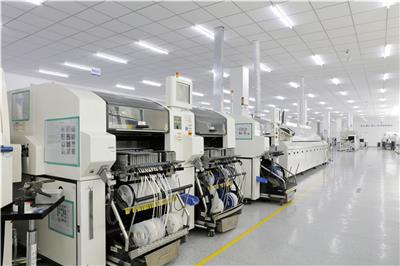
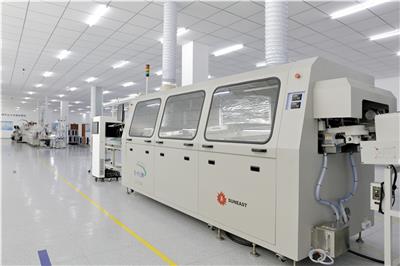
Our Factory
With our professional and innovative R&D team, more and more new products are released into the market: Popular and easy-to-use PWM controllers, high tracking efficiency and excellent conversion efficiency MPPT controllers, all with good quality and cost-effective. In the future, we will focus on advanced MPPT technology, which can improve maximum energy harvest from solar panel.
FAQ
If you're looking for high quality solar charge controller, welcome to wholesale good solar charge controller at cheap price here from professional manufacturers in China. All products meet the highest quality standard.
robust goods, profitable item, waterproof mppt solar charge controller