

What is Solar Street Light Controller
A solar street light controller is a specialized device crucial for managing solar-powered street lights. It regulates charging and discharging cycles of connected batteries, ensuring efficient energy use. With features like dusk-to-dawn sensing, it enables automatic light activation at night and deactivation at dawn. The controller safeguards batteries from overcharge and deep discharge, enhancing their lifespan. Some advanced models offer programmable lighting profiles for customizable intensity and duration. Solar street light controllers optimize energy storage and utilization, contributing to the reliability and performance of solar street lighting systems.
-
![10A 12V 24V PWM Solar Street Light Controller]() 10A 12V 24V PWM Solar Street Light ControllerSMR10-DC60/G10A PWM SOLAR CHARGE CONTROLLERPWM, 10A, 12/24V autoInfrared/2.4G, IP67 waterproof, suitable for Gel, Liquid, AGM, and Lithium batteryread more
10A 12V 24V PWM Solar Street Light ControllerSMR10-DC60/G10A PWM SOLAR CHARGE CONTROLLERPWM, 10A, 12/24V autoInfrared/2.4G, IP67 waterproof, suitable for Gel, Liquid, AGM, and Lithium batteryread more -
![2.4G 30A Lumiax Solar Street Light Controller]() 2.4G 30A Lumiax Solar Street Light ControllerMPPT30100-DC260G2.4G 30A MPPT SOLAR STREET LIGHT CONTROLLERMPPT, 30A, 12/24V, Max input power 400W/800W, Max PV 15V-75VLED driver built in, LED power 130W/260WFor Liquid, Gel, AGM, and Lithiumread more
2.4G 30A Lumiax Solar Street Light ControllerMPPT30100-DC260G2.4G 30A MPPT SOLAR STREET LIGHT CONTROLLERMPPT, 30A, 12/24V, Max input power 400W/800W, Max PV 15V-75VLED driver built in, LED power 130W/260WFor Liquid, Gel, AGM, and Lithiumread more -
![2.4G MPPT Solar Street Light Controller 10A 12V]() 2.4G MPPT Solar Street Light Controller 10A 12VMPPT1060-DC80G10A MPPT SOLAR STREET LIGHT CONTROLLERMPPT, 10A, 12V, Max input power 130W, Max PV 60V inputLED driver built-in, LED power 80WLED display, Infrared remote controlFor lead-acid batteriesread more
2.4G MPPT Solar Street Light Controller 10A 12VMPPT1060-DC80G10A MPPT SOLAR STREET LIGHT CONTROLLERMPPT, 10A, 12V, Max input power 130W, Max PV 60V inputLED driver built-in, LED power 80WLED display, Infrared remote controlFor lead-acid batteriesread more -
![Lumiax Solar Street Light Controller 10A 12V 24V]() Lumiax Solar Street Light Controller 10A 12V 24VMPPT1060-DC120G10A MPPT SOLAR STREET LIGHT CONTROLLERMPPT, 10A, 12/24V. Max input power 130W/260W, Max PV 60V.LED driver built-in, LED power 60W~120WLED display, Infrared remote controlFor lead-acidread more
Lumiax Solar Street Light Controller 10A 12V 24VMPPT1060-DC120G10A MPPT SOLAR STREET LIGHT CONTROLLERMPPT, 10A, 12/24V. Max input power 130W/260W, Max PV 60V.LED driver built-in, LED power 60W~120WLED display, Infrared remote controlFor lead-acidread more -
![30A 12V 24V Lumiax Solar Street Light Controller]() 30A 12V 24V Lumiax Solar Street Light ControllerMPPT30100-DC260G30A MPPT SOLAR STREET LIGHT CONTROLLERMPPT, 30A, 12/24V, Max input power 400W/800W, Max PV 15V-75VLED driver built in, LED power 130W/260WLED display, 2.4G remote controlFor Liquid,read more
30A 12V 24V Lumiax Solar Street Light ControllerMPPT30100-DC260G30A MPPT SOLAR STREET LIGHT CONTROLLERMPPT, 30A, 12/24V, Max input power 400W/800W, Max PV 15V-75VLED driver built in, LED power 130W/260WLED display, 2.4G remote controlFor Liquid,read more -
![30A 3.2V MPPT Solar Street Light Charge Controller LED Driver]() 30A 3.2V MPPT Solar Street Light Charge Controller LED Dr...MPPT3030-DC60G,30A 3.2V MPPT solar charge controller, used for solar street lights,100W Max PV input power, Max 60W output power.read more
30A 3.2V MPPT Solar Street Light Charge Controller LED Dr...MPPT3030-DC60G,30A 3.2V MPPT solar charge controller, used for solar street lights,100W Max PV input power, Max 60W output power.read more -
![Hybrid MPPT Solar Street Light Controller 10A 12V 24V]() Hybrid MPPT Solar Street Light Controller 10A 12V 24VMPPT1060-DC120G,Hybrid MPPT Solar Street Light Controller,10A, 12/24V, Max input power 130W/260W, Max PV input 60V,LED display, 2.4G communication+microwave induction+infrared induction,For Liquid,read more
Hybrid MPPT Solar Street Light Controller 10A 12V 24VMPPT1060-DC120G,Hybrid MPPT Solar Street Light Controller,10A, 12/24V, Max input power 130W/260W, Max PV input 60V,LED display, 2.4G communication+microwave induction+infrared induction,For Liquid,read more -
![20A 3.2V 6.4V MPPT Solar Street Light Charge Controller]() 20A 3.2V 6.4V MPPT Solar Street Light Charge ControllerMPPT2030-DC40G,20A 3.2V 6.4V MPPT solar charge controller, used for solar street lights,3.2V: Max 80W PV power, 6.4V: Max 160W PV power,3.2V: Max 40W output power, 6.4V: Max 80W output power.read more
20A 3.2V 6.4V MPPT Solar Street Light Charge ControllerMPPT2030-DC40G,20A 3.2V 6.4V MPPT solar charge controller, used for solar street lights,3.2V: Max 80W PV power, 6.4V: Max 160W PV power,3.2V: Max 40W output power, 6.4V: Max 80W output power.read more -
![Lumiax Solar Street Light Controller 8a]() Lumiax Solar Street Light Controller 8aMPPT0875-DCLI8A MPPT SOLAR STREET LIGHT CONTROLLERMPPT, 8A, 12V.Max input power 100W~120W,Max PV 60V.LED driver built in,LED power 1W~60WLED display,Infrared remote controlFor lead acid battery andread more
Lumiax Solar Street Light Controller 8aMPPT0875-DCLI8A MPPT SOLAR STREET LIGHT CONTROLLERMPPT, 8A, 12V.Max input power 100W~120W,Max PV 60V.LED driver built in,LED power 1W~60WLED display,Infrared remote controlFor lead acid battery andread more -
![DIY MPPT Solar Charge Controller 8a]() DIY MPPT Solar Charge Controller 8aMPPT0850-DCLIR8A MPPT SOLAR STREET LIGHT CONTROLLERMPPT, 8A, 12V.Max input power 100W~120W,Max PV 35V.LED driver built in,LED power 1W~50WLED display,Infrared remote controlFor lead acid battery andread more
DIY MPPT Solar Charge Controller 8aMPPT0850-DCLIR8A MPPT SOLAR STREET LIGHT CONTROLLERMPPT, 8A, 12V.Max input power 100W~120W,Max PV 35V.LED driver built in,LED power 1W~50WLED display,Infrared remote controlFor lead acid battery andread more -
![15a Waterproof Solar Controller]() 15a Waterproof Solar ControllerMPPT1575-DCLI15A MPPT SOLAR STREET LIGHT CONTROLLERMPPT, 15A, 12V/24V.Max input power 200W/400W,Max PV 55V.LED driver built in,LED power 1W~90W/20~180WLED display,Infrared remote controlFor lead acidread more
15a Waterproof Solar ControllerMPPT1575-DCLI15A MPPT SOLAR STREET LIGHT CONTROLLERMPPT, 15A, 12V/24V.Max input power 200W/400W,Max PV 55V.LED driver built in,LED power 1W~90W/20~180WLED display,Infrared remote controlFor lead acidread more -
![IoT 20A Solar Charge Controller]() IoT 20A Solar Charge ControllerMPPT2075-DCLI20A MPPT SOLAR STREET LIGHT CONTROLLERMPPT, 20A, 12V/24V.Max input power 260W/520W,Max PV 55V.LED driver built in,LED power 1W~90W/20~180WLED display,Infrared remote controlFor lead acidread more
IoT 20A Solar Charge ControllerMPPT2075-DCLI20A MPPT SOLAR STREET LIGHT CONTROLLERMPPT, 20A, 12V/24V.Max input power 260W/520W,Max PV 55V.LED driver built in,LED power 1W~90W/20~180WLED display,Infrared remote controlFor lead acidread more


Benefits of Solar Street Light Controller
Efficient energy extends battery life
The controller optimizes the charging and discharging cycles of batteries, ensuring efficient energy utilization for the operation of street lights. By preventing overcharge and deep discharge, the controller safeguards the batteries, extending their lifespan and reducing the frequency of replacements.
Automatic running
The controller enables automatic activation of street lights at dusk and their deactivation at dawn, promoting energy savings and providing consistent lighting during nighttime hours. Built-in protection mechanisms prevent the batteries from being overcharged or excessively discharged, protecting the integrity of the battery bank.
Maintenance reduction
Efficient energy management and battery protection features contribute to reduced maintenance needs, lowering operational costs over the lifespan of the solar street lighting system.
Improved system reliability
By regulating critical functions and protecting components, solar street light controllers enhance the overall reliability and longevity of solar street lighting systems. The efficient operation, extended battery life, and reduced maintenance contribute to long-term cost savings, making solar street lighting systems economically viable and sustainable.
Why Choose Us
Rich experience
Dedicated to strict quality control and attentive customer service, our experienced staff is always available to discuss your requirements and ensure complete customer satisfaction.
High quality
Our products are manufactured or executed to very high standards, using the finest materials and manufacturing processes.
Global shipping
Our products support global shipping and the logistics system is complete, so our customers are all over the world.
After-sale service
Professional and thoughtful after -sales team, let you worry about us after -sales Intimate service, strong after -sales team support.
A solar street light controller prevents overcharging of batteries by employing a precise charging regulation mechanism. It continuously monitors the voltage level of the connected battery bank. When the battery reaches a predefined voltage threshold, indicating a fully charged state, the controller interrupts the charging process. This action effectively prevents further charging and shields the batteries from the detrimental effects of overcharging, such as electrolyte loss and heat buildup. The controller ensures that the battery remains within the optimal voltage range, promoting longevity and sustained performance. By intelligently managing the charging cycles, solar street light controllers contribute to the reliability and efficiency of solar-powered street lighting systems.

Deep discharge protection is crucial for solar street light controllers as it safeguards the connected battery bank from being excessively depleted. Deep discharging can lead to irreparable damage to batteries, significantly reducing their lifespan and overall performance. The solar street light controller constantly monitors the battery voltage, and when it detects a voltage drop indicating a deep discharge state, it promptly interrupts the discharge process. By preventing the battery from reaching critically low voltage levels, deep discharge protection ensures the integrity of the battery bank. This feature is vital for maintaining the long-term functionality and reliability of solar street lighting systems, as it extends the lifespan of batteries and minimizes the need for frequent replacements, thereby reducing maintenance costs.
Types of Solar Street Light Controller
PWM solar street light controllers
PWM controllers are the simpler and more cost-effective option. They modulate the charging current by intermittently switching the voltage on and off. While effective, they are less efficient than MPPT controllers, particularly in environments with varying sunlight conditions.
MPPT solar street light controllers
MPPT controllers are more advanced and efficient. They continuously adjust the operating point of the solar panels to extract the maximum power, adapting dynamically to changing environmental factors. This results in higher energy harvest, making MPPT controllers preferable in locations with unpredictable weather patterns or shading issues.
What is The Primary Function of a Solar Street Light Controller?
The primary function of a solar street light controller is to efficiently manage and regulate the charging and discharging of the battery in a solar-powered lighting system. It ensures optimal utilization of energy generated by the solar panels during the day and controls the power supply to the LED lights during the night. By preventing overcharging and deep discharging, the controller safeguards the battery, thereby extending its lifespan. Additionally, the controller may include features such as light control, providing automated switching of the lights based on ambient light levels, and various protective mechanisms to ensure safe and reliable operation of the entire solar street light system.
The key differences between PWM and MPPT solar street light controllers lie in their methods of regulating the charging process. PWM controllers modulate the charging current by intermittently switching the voltage on and off. While effective, PWM controllers are less efficient than MPPT controllers, especially in scenarios with varying sunlight conditions. MPPT controllers constantly adjust the operating point of the solar panels to extract maximum power, allowing them to adapt dynamically to changing environmental factors. MPPT controllers enhance overall system efficiency by optimizing the power output from solar panels, making them more suitable for locations with unpredictable weather patterns or shading issues. While PWM controllers are simpler and more cost-effective, MPPT controllers offer superior performance in maximizing energy harvest from solar panels, making them a preferred choice for more demanding solar street lighting applications.

How Does a Solar Street Light Controller Enhance Energy Efficiency In Outdoor Lighting Systems?
A solar street light controller plays a pivotal role in enhancing energy efficiency in outdoor lighting systems by optimizing the use of solar-generated power. Through features like Maximum Power Point Tracking (MPPT) or Pulse Width Modulation (PWM), the controller ensures that the charging and discharging cycles of the connected battery are precisely regulated. By preventing overcharging and deep discharging, it maximizes the usable capacity of the battery, thereby improving overall energy efficiency. Additionally, controllers with dusk-to-dawn sensors enable automatic activation of street lights at night and deactivation during daylight, eliminating unnecessary energy consumption. The ability to customize lighting profiles, adjust intensity, and incorporate load control features further contribute to the efficient utilization of solar energy.
A solar street light controller is versatile enough to be employed in both grid-tied and off-grid applications. In a grid-tied setting, the controller ensures efficient charging and discharging of batteries while facilitating the seamless integration of solar-generated power with the electrical grid. This enables excess energy to be fed back into the grid, contributing to energy savings and potential incentives. In an off-grid scenario, the controller manages the entire solar street lighting system independently, regulating the battery cycles and ensuring optimal energy utilization in the absence of a grid connection.

Common materials include robust plastics, aluminum, or other corrosion-resistant alloys. The choice of materials is influenced by the need for protection against environmental factors such as moisture, heat, and UV radiation. Many controllers feature sealed enclosures to safeguard internal components from dust and water ingress, ensuring consistent performance and minimizing maintenance requirements. The selection of high-quality materials contributes to the overall durability and effectiveness of solar street light controllers in managing the efficient operation of solar-powered street lighting systems.
Can a Solar Street Light Controller Be Used With Different Types of Batteries?
Many solar street light controllers are designed to be compatible with different types of batteries, including lead-acid, lithium-ion, and others. It's essential to select a controller that matches the specific requirements of the battery type used in the solar lighting system for optimal charging and discharging performance.
How Does a Solar Street Light Controller Protect Against Reverse Polarity?
A solar street light controller includes reverse polarity protection to prevent damage caused by incorrect battery connections. This feature ensures that the controller will not operate if the positive and negative terminals are reversed, protecting the system components from potential electrical faults.
Application of Solar Street Light Controller
Urban areas
Solar street lights are often deployed in urban areas to provide energy-efficient and environmentally friendly lighting solutions. Controllers help manage the lighting system's operation, ensuring lights are on during the night and off during the day.
Rural and remote areas
In areas with limited or no access to the electricity grid, solar street lights powered by controllers offer a sustainable and cost-effective lighting solution. These areas may include remote villages, off-grid communities, and rural roadways.
Highways and roads
Solar street lights with controllers are commonly used along highways, roads, and streets to enhance visibility and safety. Controllers play a crucial role in optimizing the lighting schedule and adapting to changing environmental conditions.
Public spaces
Solar street lights equipped with controllers are installed in public spaces such as parks, squares, bus stops, and pedestrian walkways. The controllers help ensure adequate lighting in these areas, contributing to public safety and security.
Parking lots
Solar-powered street lights with controllers are deployed in parking lots to provide illumination during the night. Controllers manage the charging and discharging cycles to ensure reliable operation when needed.
Industrial complexes
Solar street lights equipped with controllers find applications in industrial complexes and manufacturing facilities. They offer a reliable and independent lighting solution for outdoor areas within these complexes.
Components of Solar Street Light Controller
A solar street light controller typically comprises essential components to regulate and optimize the performance of solar-powered lighting systems. Key components include a charge controller, responsible for managing the charging and discharging of the battery to prevent overcharging or deep discharge; a light controller that governs the automatic operation of LED lights based on ambient light levels; and protective mechanisms to guard against overvoltage, overcurrent, short circuits, and reverse polarity. Advanced controllers may integrate features such as remote monitoring, motion sensors for adaptive lighting, and weather sensors for optimized performance in varying environmental conditions.
Temperature compensation is a critical feature in a solar street light controller that enhances system performance. This function adjusts the charging and discharging parameters of the controller based on the ambient temperature. As temperature variations can significantly impact battery performance, temperature compensation helps mitigate the effects of temperature extremes. In colder temperatures, it prevents undercharging by increasing the charging voltage, while in hotter temperatures, it prevents overcharging by reducing the charging voltage. This dynamic adjustment ensures that the battery is charged optimally, maximizing its lifespan and overall system efficiency.

What Safety Features Does a Solar Street Light Controller Have?
These safety measures typically include overvoltage protection, preventing damage to the system during voltage spikes; overcurrent protection, safeguarding against excessive current flow; short circuit protection, which interrupts the circuit in case of a short; reverse polarity protection, avoiding damage due to incorrect connections; and temperature protection, preventing the system from overheating. These safety features collectively contribute to the durability and longevity of the solar street light system, protecting components like batteries, LEDs, and the controller itself from potential electrical faults and environmental stressors.
Maintenance Tips for Solar Street Light Controller
Cleaning solar panels
Keep solar panels clean from dust, dirt, and debris to maximize energy absorption. Regularly clean the panels using a soft cloth or a gentle spray of water to maintain optimal performance.
Battery terminal check
Inspect battery terminals for cleanliness and signs of corrosion. Clean terminals if needed and tighten any loose connections. Replace corroded terminals promptly to avoid performance issues.
Wiring integrity
Verify the integrity of wiring by checking for wear, fraying, or damage. Damaged wiring can lead to energy loss or system malfunctions. Replace or repair any compromised wiring as part of routine maintenance.
Battery health monitoring
Regularly monitor the battery's voltage, charge status, and overall health using a multimeter or the monitoring features provided by the controller. Replace batteries at the end of their lifespan to maintain reliable operation.
Sensor inspection
Inspect sensors for motion or ambient light, ensuring they are clean and unobstructed. Calibrate sensors as needed to maintain accurate performance and responsiveness.
Weatherproofing maintenance
Confirm that the controller's enclosure remains weatherproof and sealed against moisture. Perform checks to prevent moisture ingress, which can lead to electrical issues and corrosion.
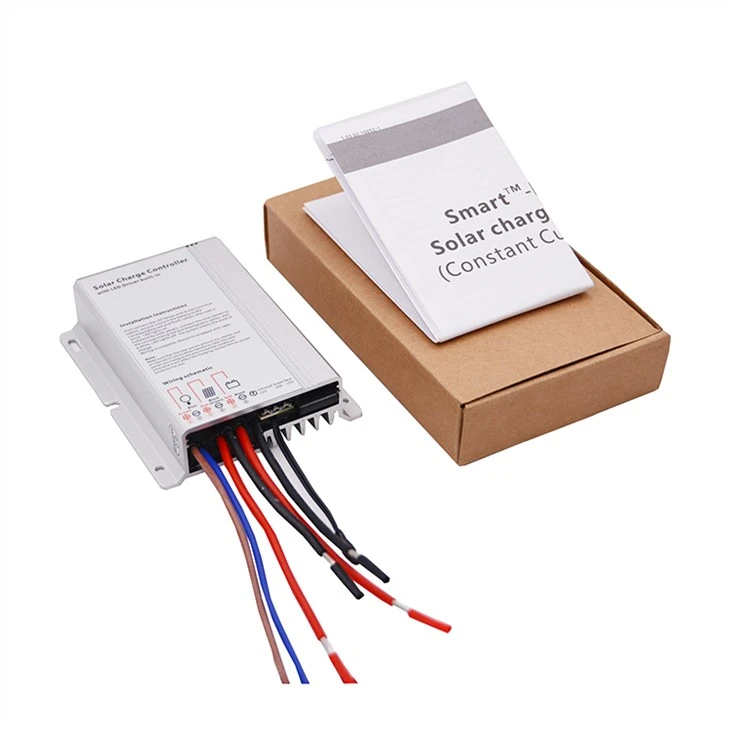
The load control function in a solar street light controller is of paramount importance as it enables efficient management of power distribution to the connected LED lights. This feature regulates the on/off operation of the lights based on available energy levels, preventing overconsumption and ensuring optimal use of stored power in the battery. Load control enhances the overall energy efficiency of the solar street light system by preventing unnecessary energy drain during periods of low battery voltage. This not only conserves energy but also extends the battery life, contributing significantly to the reliability and longevity of the entire solar lighting infrastructure.
How Does a Solar Street Light Controller Adapt To Varying Environmental Conditions For Optimal Performance?
A solar street light controller adapts to varying environmental conditions for optimal performance through features like temperature compensation, light sensors, and, in some advanced models, weather sensors. Temperature compensation adjusts the charging and discharging parameters based on ambient temperature to optimize battery performance. Light sensors enable automatic adjustments of LED brightness according to ambient light levels, promoting energy efficiency. Additionally, some controllers integrate weather sensors to adapt system behavior in response to changing environmental conditions, ensuring consistent and reliable operation even during adverse weather. These adaptive features collectively enhance the efficiency and resilience of solar street lighting systems across diverse environmental scenarios.
System voltage compatibility:Choose a controller that matches the voltage of your solar panel and battery system to ensure proper functioning and compatibility.
Maximum current rating:Consider the maximum current capacity of the controller, ensuring it can handle the total current produced by the solar panels and required by the load.
Type of battery:Ensure compatibility with the type of battery used in the system, whether it's lead-acid, lithium-ion, or another type, to optimize charging and discharging characteristics.
Load control capability:Evaluate the load control features to enable efficient on/off operation of the lights based on ambient light levels, enhancing energy conservation.
Protection mechanisms
Check for comprehensive protection features such as overvoltage, overcurrent, short circuit, and reverse polarity protection to safeguard the system components.
Efficiency and standby power consumption
Choose a controller with high efficiency to maximize energy conversion and minimize standby power consumption, contributing to overall energy savings.
Durability and weather resistance
Ensure that the controller is designed to withstand varying environmental conditions and is adequately sealed to prevent moisture ingress, corrosion, and other weather-related issues.
Our Factory
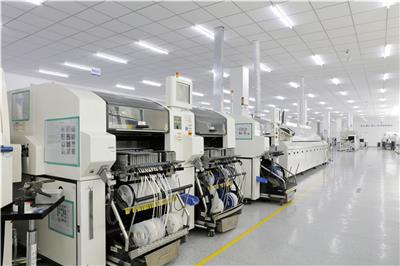
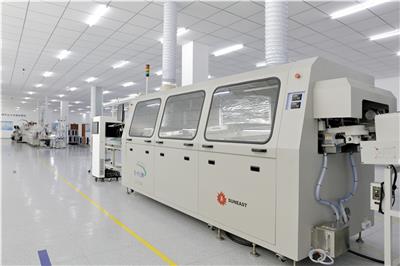
With our professional and innovative R&D team, more and more new products are released into the market: Popular and easy-to-use PWM controllers, high tracking efficiency and excellent conversion efficiency MPPT controllers, all with good quality and cost-effective. In the future, we will focus on advanced MPPT technology, which can improve maximum energy harvest from solar panel.
FAQ
If you're looking for high quality solar street light controller, welcome to wholesale good solar street light controller at cheap price here from professional manufacturers in China. All products meet the highest quality standard.
stand alone mppt solar charge controller, grid tied mppt solar charge controller, cost effective goods